
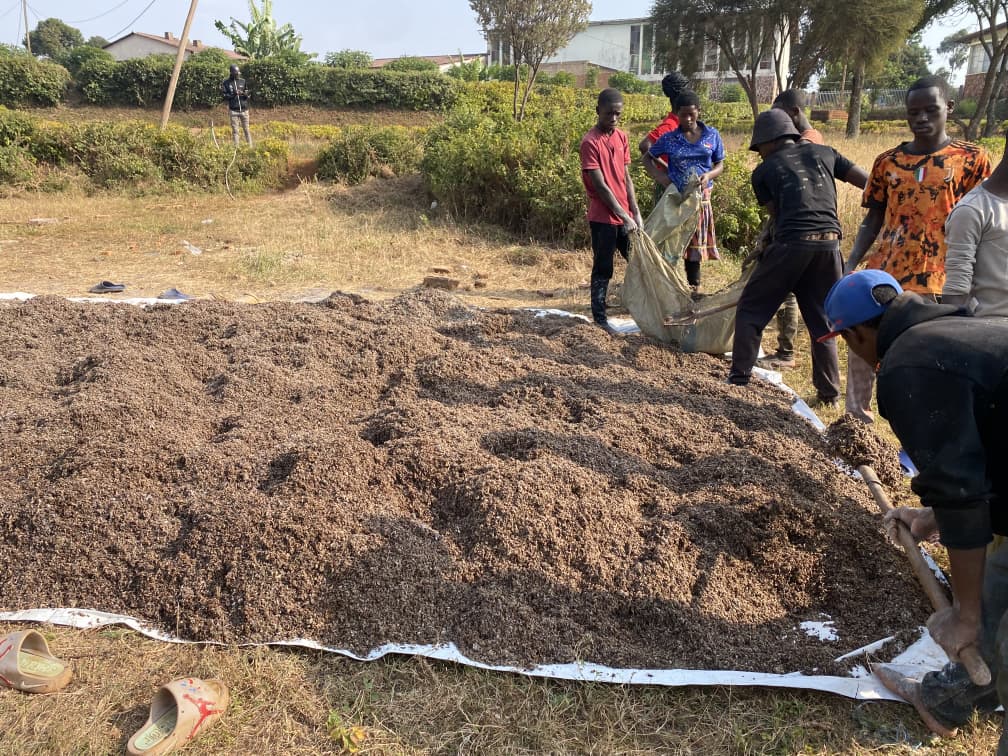
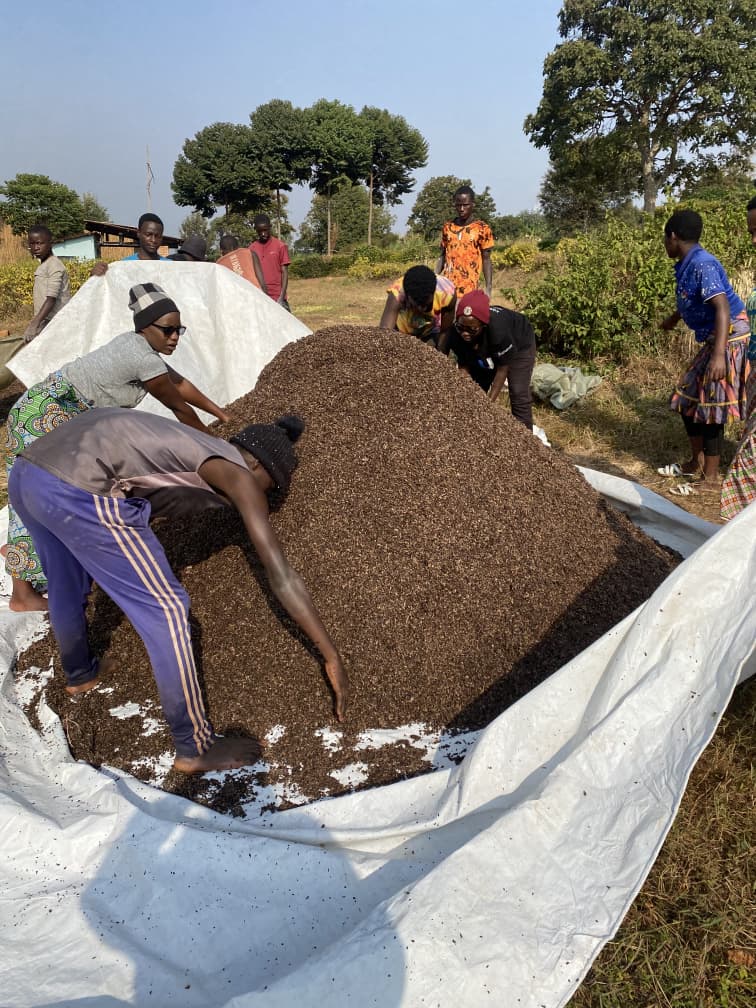
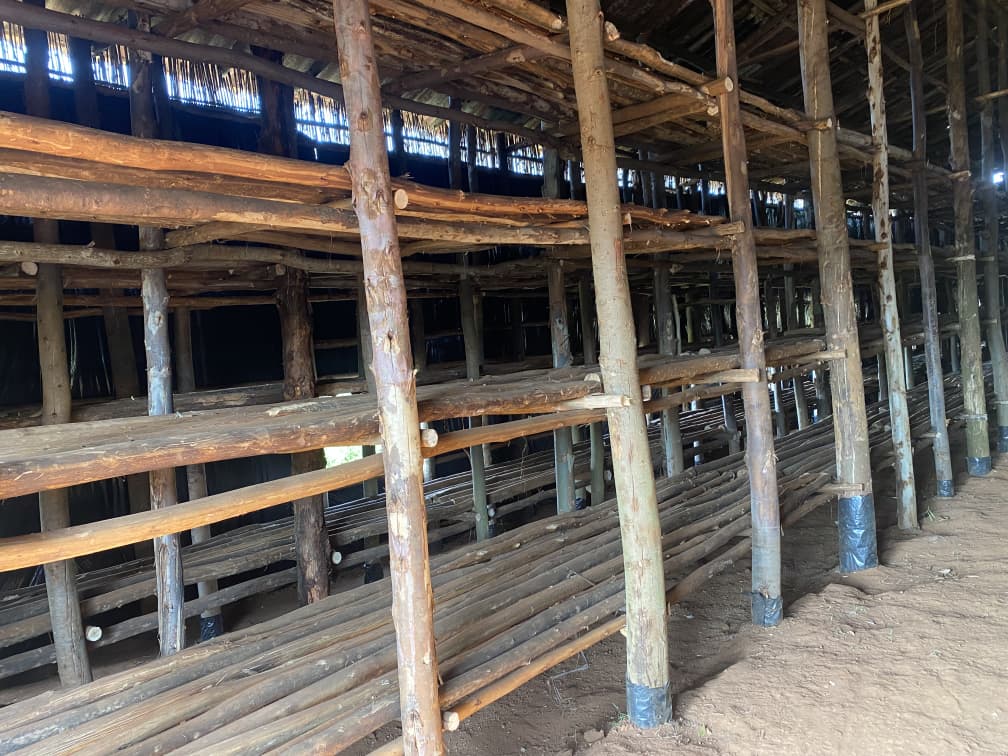
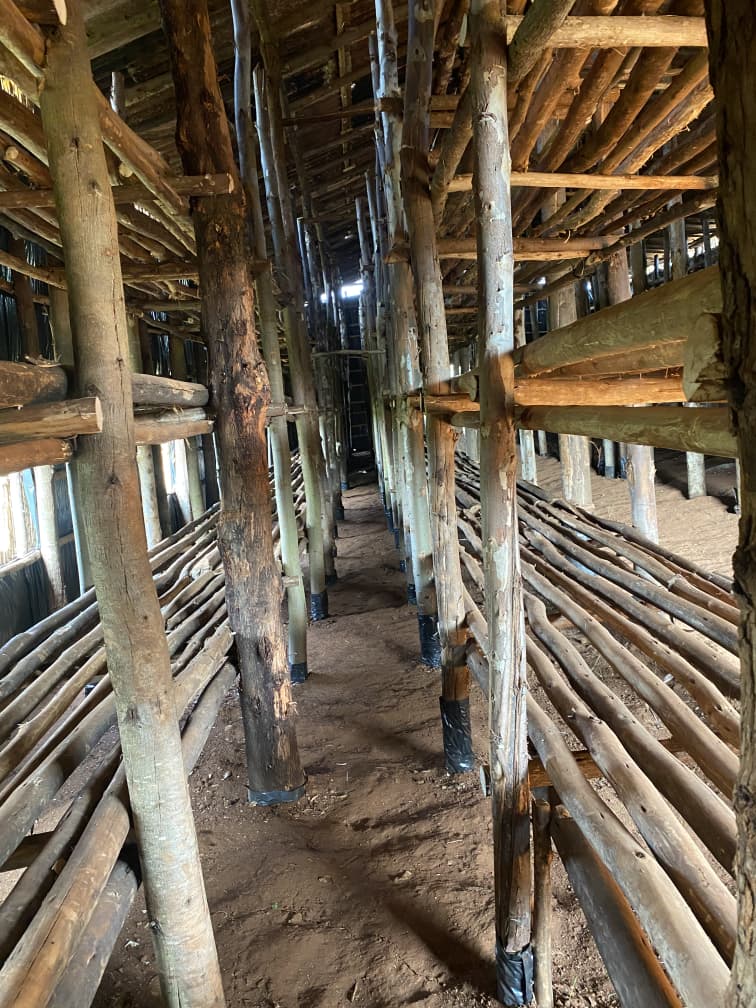
Mushroom Farming Project at St. John Bosco Secondary School-Ngozi.
St. John Bosco Secondary School-Ngozi is a Salesian-run institution in northern of Burundi. The institution is planning to launch a mushroom farming project aimed at improving the nutrition of its students and strengthening the school’s financial sustainability. The project comes at a time when the institution is facing financial challenges due to the country’s economic situation and the rising poverty levels, which have affected both families and educational institutions.
The school currently caters for 946 students, of whom 70% are boarders, creating a significant demand for nutritious and balanced meals. School administrators say the mushroom farming initiative will help to address this need by providing a reliable source of highly nutritious food for students while also generating additional income to support the institution’s educational mission. “Mushrooms are easy to cultivate and highly nutritious. This project will help us to provide healthier meals to our students and ensure that the school can continue offering quality education despite the faced economic challenges” school leaders explained.
The project is particularly important because many students come from vulnerable families and depend on the institution not only for education but also for their daily well-being. Ensuring that boarding students receive a rich and balanced diet is essential for their physical growth, academic performance, and overall development.
For years, St. John Bosco Secondary School-Ngozi has relied on income-generating activities such as agriculture and animal breeding to supplement its resources. However, the contribution of these activities has been decreasing. The planned mushroom farm is expected to complement these existing initiatives while promoting sustainability and self-reliance within the institution.
Founded in 1962 by the Salesians of Don Bosco, St. John Bosco Secondary School-Ngozi has spent more than six decades shaping young people into responsible citizens and preparing them for higher education and future leadership roles. As the institution looks to the future, the mushroom farming project represents more than an agricultural venture—it is an investment in the health, education, and future of nearly a thousand young Burundians who depend on the school for opportunities to build better lives.